
Featuring: Mountain Lakes Library Makerspace
A makerspace with a small footprint and a big impact.

I always appreciate a library makerspace built around people – their energy, ideas, and expertise - rather than only, or largely, built around a physical space with a ton of tools and equipment. The most sustainable and frankly, fun, makerspaces that I have seen are those that grow gradually, evolving with and continuously inspired by their communities. One such makerspace is found at New Jersey’s Mountain Lakes Library. Through its vibrant and active community, the makerspace’s impact belies its 250 square footprint. Many thanks to Ian Matty and Christina Kelly for their time and for the inspiring and fun conversation this winter. Enjoy~ Laura
Tell us about Mountain Lakes Library and its makerspace.
Ian Matty: Mountain Lakes (NJ) is a small town with a very active community. The library is in a 100-year-old building that is just 5,000 square feet, and 250 of that is the library makerspace. The makerspace as a program and concept has existed for nine years, and is fully integrated in the library’s physical footprint and its daily functions, through our space, programs, and community engagement.
What is the makerspace’s origin story, and what are the broad beats of its evolution?
Christina [Kelly, co-founder of the Mountain Lakes Library Makerspace and Ian’s spouse] and I couldn’t find an easy place for our kid to learn and play chess with other kids. After speaking with the school district a couple of times about this, the district finally said, ‘Why don’t you do it?’ So, we created a chess club for elementary-school-aged kids. We outgrew the school quickly, and started bringing the club to Hapgoods. The environment was really informal and laid-back. Kids could learn by playing chess with other kids, parents would hang out with each other. People from other towns started coming in for the chess club. Then, some of the kids got interested in robotics. The tech part, but also the crafting, hands-on, building aspects. At that point, we had outgrown our restaurant space and were looking for a new location. And, we turned to the library.
Peggy, the director at the time, basically repurposed a closet for us to use. We raised money to get robotics kits, and we started meeting about weekly at the library with parent volunteers hanging out to help with the projects. Working and learning together was the driving force. It was all very hands-on, thinking about design, collaboration, problem solving.
In 2017 Jennifer Lynch, the library’s next director, took steps to intentionally incorporate the makerspace programming and physical equipment directly into the day to day work library, notably, transforming what was called the “reading room” into a permanent makerspace, and hiring Ian and Christina as official makerspace coordinators.
In what other ways did the makerspace become an embedded part of the library?
We integrate books from the library’s collection into our events and activities, and we regularly take over different areas of the library if we need more room than the makerspace provides, or to accommodate different audiences. Now we have all kinds of supplies and books. Wednesday nights are dedicated teen nights, Thursday mornings we do Little Makers in the children’s area with building activities, art projects, lots of books. Adults will pop in all the time to use the equipment. We don’t require badging or formal training to use the space.
We try to offer a lot of access points and to be as welcoming as possible. You can have space, and you can have machines, but it’s the people that matter. Whether your makerspace is 2000 square feet or 200 square feet, it’s the people that are the most important part.
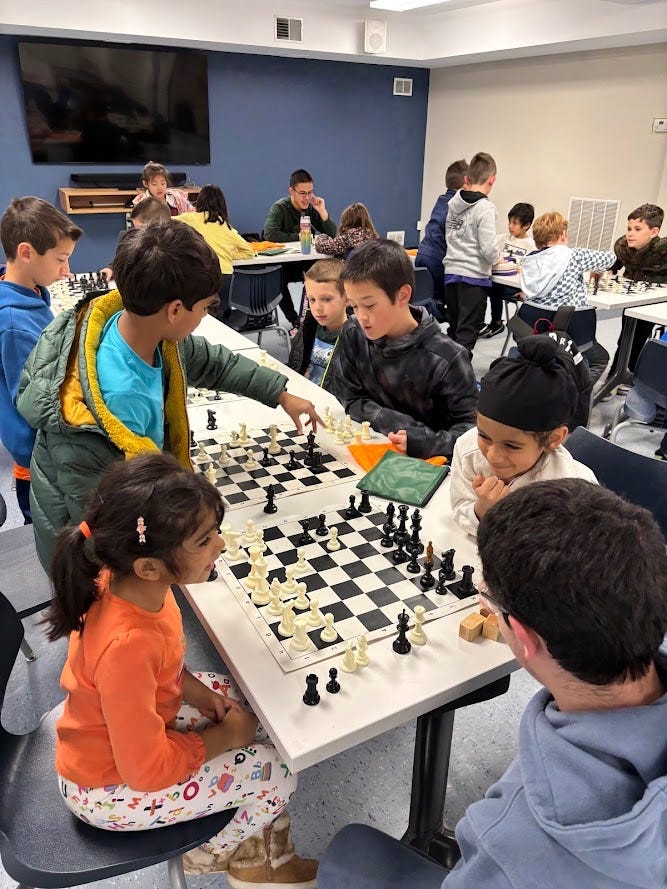
Our team did a lot of professional development to learn about different technologies and expand our skill sets. Our aim is to offer learning opportunities that focus on a menu of skills. We embrace the idea that “everything is compatible” and that you can combine high- and low-tech resources to make something new.
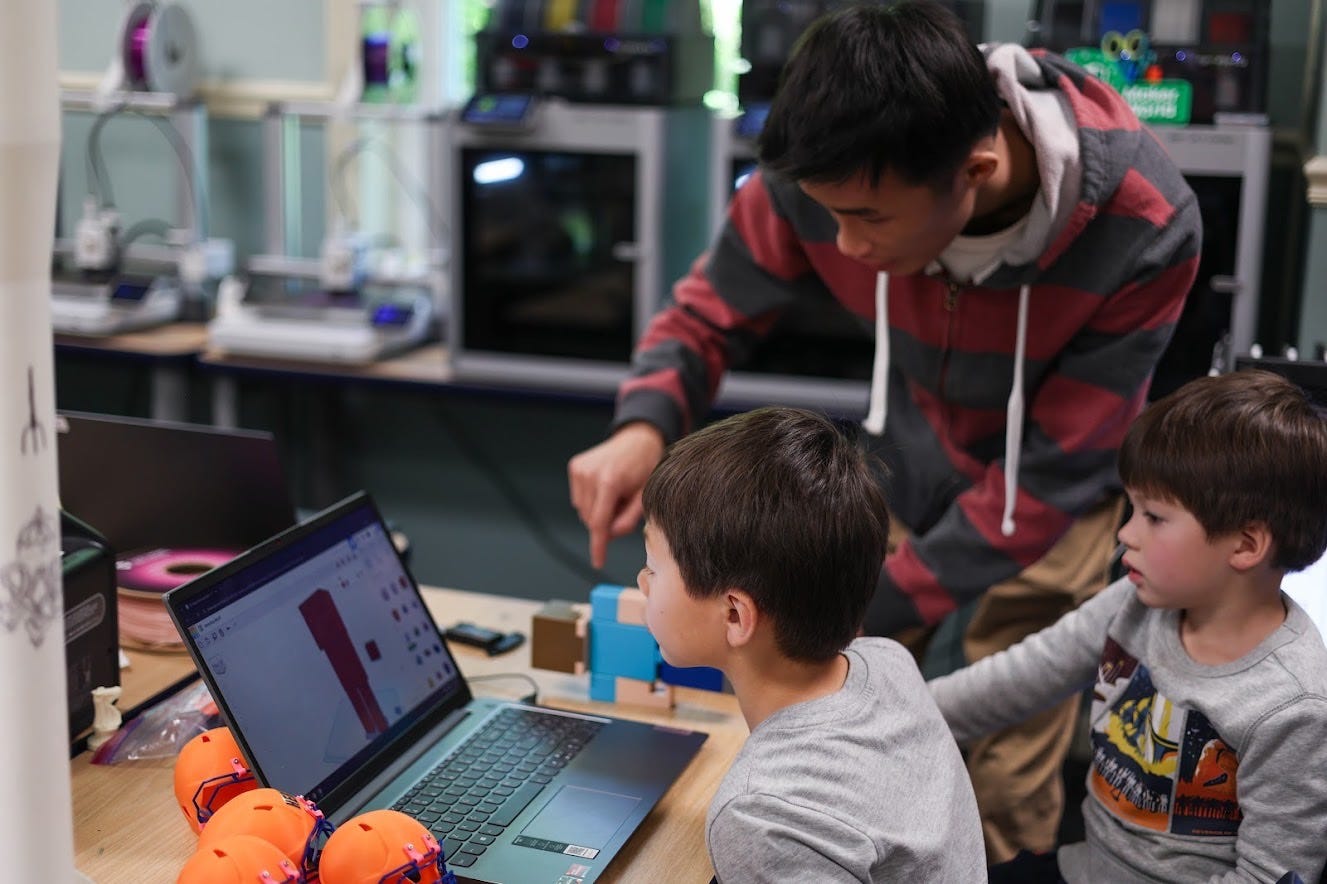
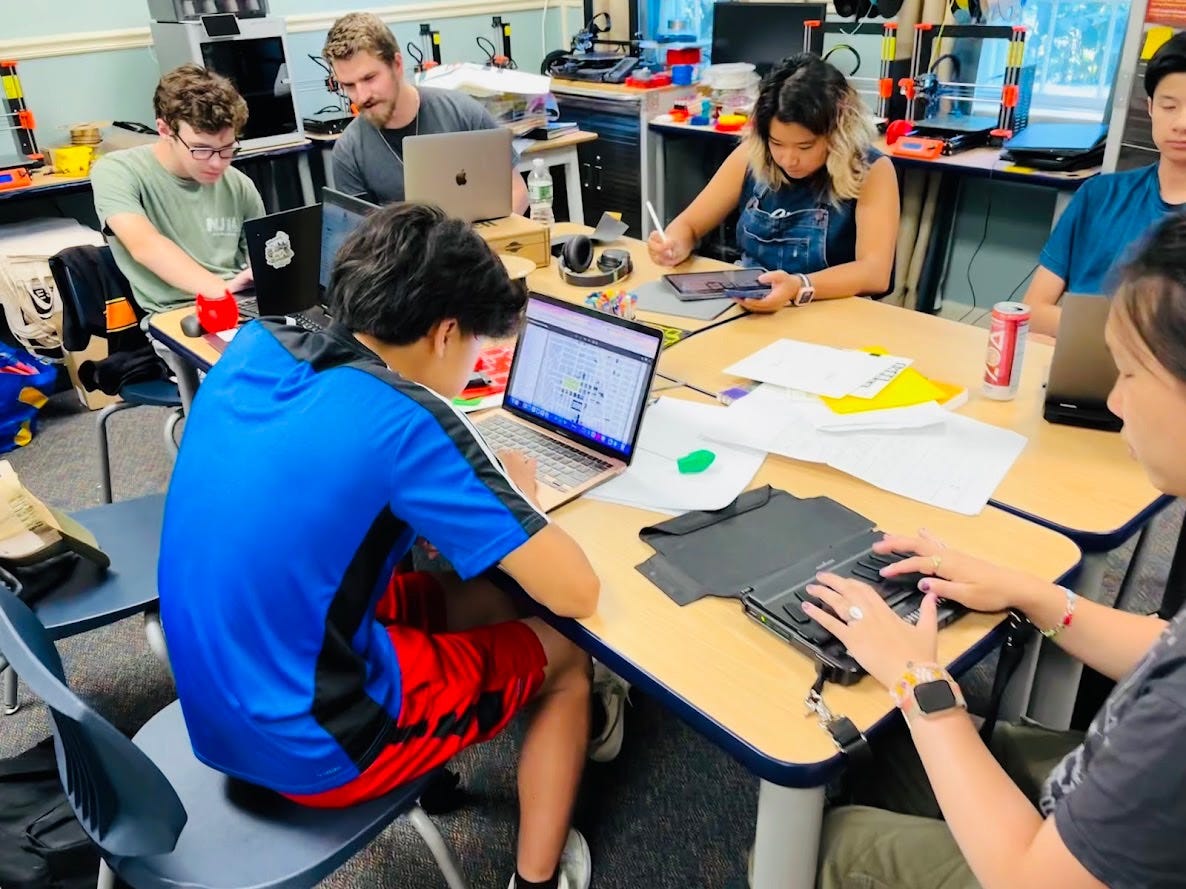
The makerspace played a big part in shifting the role of the library from transactional to a center of community engagement. As people come in to take part in makerspace activities, they are also actively using and learning about all aspects of the library.
Tell me more about ways that the makerspace continues to be responsive to community interests and priorities.
One clear example is that over time, community members have started approaching us with ideas for large-scale public events, including Lunar New Year and Diwali celebrations. Our makerspace [motto] is “Showing what is possible,” and we really try to embrace that with our community, often just by helping people think through their event ideas and then supporting the event itself.
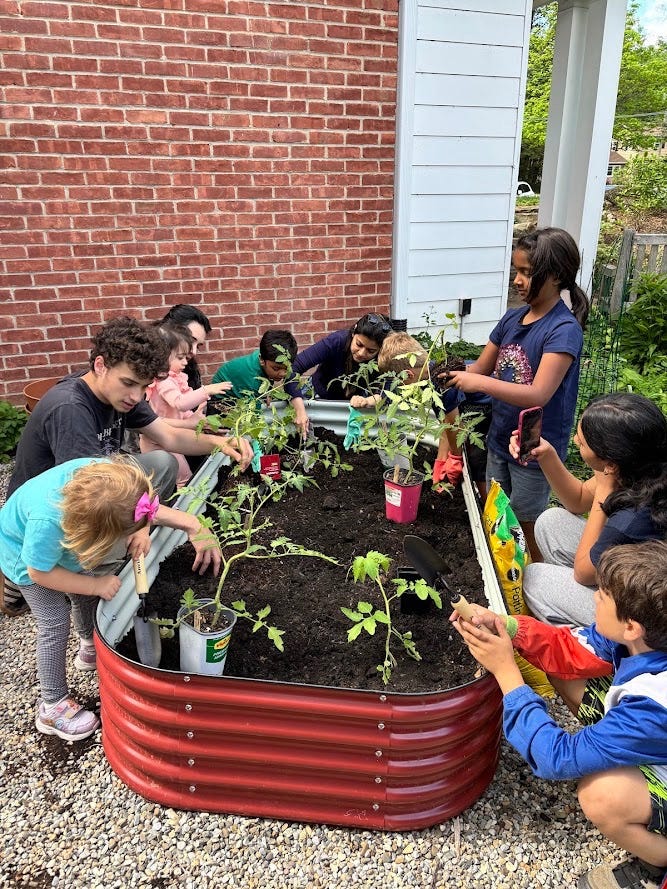
Another good story is about our library garden. That project was inspired by a high school student who was really interested in botany and wanted to start a garden. Even though that student has graduated, the garden is still maintained by local volunteers. With the garden, we were able to think creatively about our existing assets: space, people, expertise. It’s successful because we were able to tap into existing networks and connect specific people like Roxanne, who could take the idea and run with it. Roxanne found raised beds to use and even what she called “really good dirt.” We were able to extend the garden programming through a state grant that funded our seed library. Now, some families want to add a fairy garden. Anyone can be involved in planting, watering, and they can stop by and pick the vegetables — we had a family use the library garden spinach and radishes and share a recipe they made with them.
To follow news from the Mountain Lakes Library Makerspace, check out the makerspace newsletter.